
 14 July 2026
 Share
Share
1
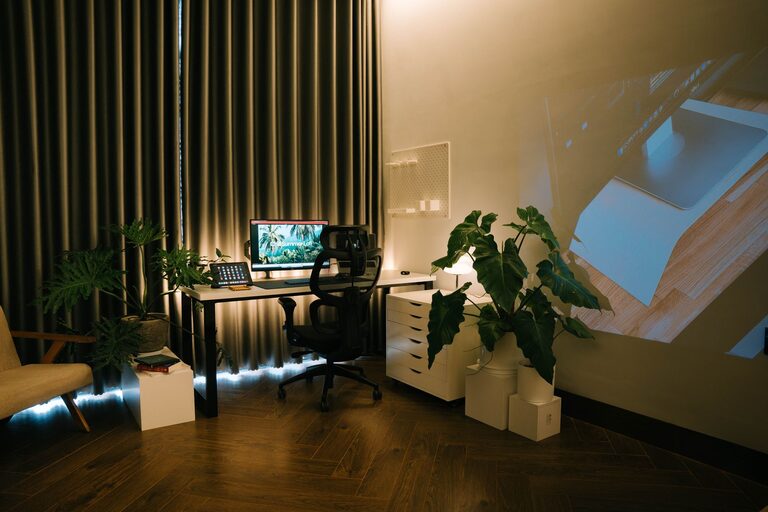
Creating a relaxing home workspace is essential for maintaining focus, reducing stress, and improving overall productivity. Whether you work remotely full-time or just need a quiet spot for occasional tasks, your workspace should be a reflection of comfort and efficiency. This guide will walk you through practical steps to design a calming and functional environment in your home.
A well-designed home office helps you separate work from personal life, improving your mental well-being. When your workspace feels peaceful and welcoming, it’s easier to concentrate and stay motivated throughout the day. Conversely, a cluttered or uninspiring area can lead to distractions and burnout.
Start by selecting a quiet spot with minimal interruptions. Consider an area with natural light, as sunlight can boost mood and energy. Avoid placing your desk in high-traffic zones or near noisy appliances.
– Use a spare room, a corner of your living room, or even a section of your bedroom.
– Position your desk near a window if possible.
– Ensure the spot has good ventilation and comfortable temperature.
Clutter can cause stress and reduce focus. Keeping your workspace tidy helps create a sense of calm and order.
– Use storage solutions like shelves, drawers, or filing cabinets.
– Keep frequently used items within arm’s reach.
– Limit decorations to a few meaningful items to avoid distractions.
– Regularly declutter and clean your space.
Invest in ergonomic furniture that supports your body and promotes good posture.
– Choose an adjustable chair with lumbar support.
– Use a desk at a comfortable height.
– Consider a standing desk or a sit-stand converter to alternate positions.
– Use a keyboard and mouse that reduce strain.
Colors can influence your mood and productivity. Soft hues such as light blues, greens, or neutrals provide a soothing effect.
– Paint your walls or incorporate accessories in calming colors.
– Add plants to improve air quality and create a natural vibe.
– Use soft lighting, such as a desk lamp with warm light rather than harsh overhead lights.
– Include artwork or photos that inspire you without cluttering your space.
Background noise can interrupt concentration. Take steps to create a quiet environment.
– Use noise-cancelling headphones or earbuds.
– Add rugs, curtains, or fabric wall hangings to dampen sound.
– Use white noise machines or apps if complete silence is distracting.
– Inform household members of your working hours to minimize interruptions.
Your workspace should encourage a healthy work-life balance. Establish clear routines to transition into and out of work mode.
– Start your day with a short workspace setup ritual, like tidying your desk or making tea.
– Take regular breaks away from your workspace.
– End your workday by shutting down your computer and organizing your desk.
– Avoid using your workspace for non-work activities to maintain separation.
Personalizing your space can make it more inviting and motivating.
– Display a favorite quote or vision board.
– Include a cozy blanket or cushion.
– Use scented candles or essential oils with calming aromas like lavender or eucalyptus.
– Keep a journal or planner nearby for jotting down ideas or reflections.
Ensure your technology supports a smooth workflow without causing stress.
– Keep cables organized with clips or sleeves.
– Use a reliable internet connection.
– Arrange your devices ergonomically to avoid neck or eye strain.
– Adjust screen brightness and use blue light filters to reduce eye fatigue.
A relaxing home workspace goes beyond aesthetics; it’s about creating an environment that nurtures your productivity and well-being. By choosing the right location, organizing thoughtfully, investing in comfort, and personalizing the space, you can transform any area of your home into a haven for focused work.
Experiment with different setups to find what feels best for you. Remember, the goal is to build a space that invites you to work efficiently and enjoyably every day.
